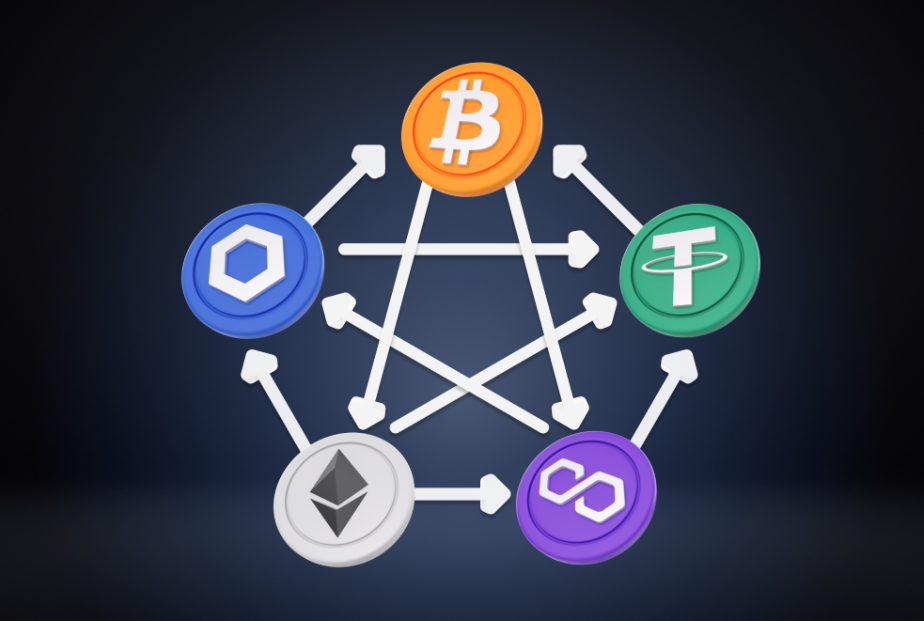

A decentralized exchange is a blockchain-based platform that enables peer-to-peer asset trades without a central custodian. Smart contracts enforce rules, settle orders, and manage liquidity, while users retain control of private keys. Prices are determined on-chain, and governance may be verifiable through transparent mechanisms. Trade-offs exist in liquidity depth, security, and user responsibility. The architecture contrasts with custodial platforms, yet practical factors—like oracle reliability and contract integrity—shape feasibility, risk, and ongoing viability. This tension invites further examination.
What Is a DEX and Why It Matters
A decentralized exchange (DEX) is a blockchain-based platform that enables peer-to-peer trading of digital assets without intermediaries.
The core relevance lies in autonomy, transparency, and resilience against centralized controls.
DEX liquidity determines trade feasibility and depth, while wallet security governs asset risk and user responsibility.
The framework emphasizes programmable access, non-custodial flows, and verifiable governance, shaping freedom through cryptographic sovereignty.
See also: hipposturf
How DEXs Work: Trading, Liquidity, and Security
DEXs enable direct, on-chain trades between users without intermediaries, coordinating transactions through smart contracts that enforce rules and settlements.
The discussion analyzes how trading mechanics operate within automated protocols, including order aggregation, matching algorithms, and price discovery.
Liquidity models determine capital efficiency, incentives, and risk.
Security considerations focus on contract integrity, oracle reliability, and collateralization, framing freedom through auditable, permissionless execution and transparent governance.
DEX vs Centralized Exchanges: Pros, Cons, and Trade-offs
To compare decentralized exchanges (DEXs) with centralized exchanges (CEXs), one must weigh framework, control, and risk across execution, custody, and governance.
DEX security hinges on protocol design and smart contract audits, while liquidity mechanisms differ from order books to automated pools.
Trade-offs include vs CEX weaknesses, transparency versus censorship risk, and governance-driven resilience, with considerations for user autonomy and market access.
Getting Started on a DEX: Wallets, Steps, and Best Practices
Getting started on a decentralized exchange requires an understanding of wallet management, step-by-step onboarding, and adherence to best practices that mitigate risk in non-custodial environments. The process emphasizes security-aware wallets setup, private key hygiene, and deterministic recovery practices. Analysts compare protocol compatibility, gas considerations, and transaction verification. Practitioners prioritize reproducible workflows, audit trails, and disciplined risk controls to maintain freedom while preserving asset sovereignty.
Conclusion
A decentralized exchange (DEX) enables peer‑to‑peer trading with non‑custodial wallets, smart contracts, and on‑chain price discovery. Its architecture emphasizes autonomy, transparency, and programmable governance, while liquidity and oracle reliability shape trade feasibility and risk. Compared to centralized venues, DEXs reduce counterparty risk but introduce complexities in usability and security management. As with any financial system, user responsibility and contract integrity remain critical, making rigorous due diligence and prudent risk controls essential—technology enables trading, but judgment enables safety.


 By
By

 By
By