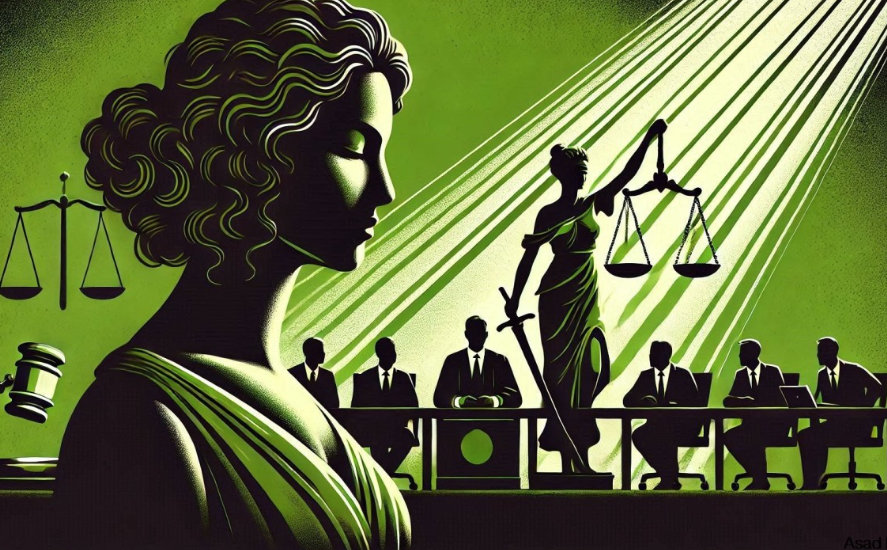

Introduction to Law
Law is a system of rules created and enforced by governments or authorities to regulate human behavior, maintain order, resolve disputes, and protect justice in society. Without law, societies would face chaos, violence, and confusion because there would be no clear standards to decide what is right or wrong. Law affects every aspect of daily life, from buying property and signing contracts to marriage, education, business, and criminal punishment.
In simple words, law acts like a framework that helps people live peacefully together. It protects rights, punishes wrong actions, and ensures fairness among individuals, organizations, and governments. Every country has its own legal system based on culture, history, traditions, religion, and political systems.
History and Evolution of Law
The concept of law has existed for thousands of years. Ancient civilizations developed legal systems to maintain discipline and organize society.
One of the earliest examples of written law was the Code of Hammurabi, developed in ancient Mesopotamia around 1754 BCE. It included rules related to trade, property, punishment, and social behavior. Later, Roman law became highly influential and laid the foundation for many modern legal systems.
During medieval periods, kings and rulers controlled laws according to their power. Over time, democratic governments introduced constitutional systems where laws became more balanced and designed to protect citizens’ rights.
Today, legal systems continue evolving to deal with modern issues such as cybercrime, international trade, human rights, artificial intelligence, and environmental protection.
Importance of Law in Society
Law plays an essential role in maintaining stability and justice in society. Without law, there would be disorder and conflict.
Some major reasons why law is important include:
- Maintaining peace and social order
- Protecting human rights and freedoms
- Preventing crimes through punishment
- Solving disputes fairly through courts
- Regulating businesses and economies
- Protecting weak and vulnerable groups
- Establishing accountability for everyone
Law ensures that no individual is above the rules, regardless of wealth, status, or political power.
See also: The Benefits of Smart Technology in Healthcare
Functions of Law
Law performs several important functions in society:
1. Maintaining Order
Laws prevent violence, theft, fraud, and harmful activities. They provide a structured way for people to coexist peacefully.
2. Protecting Rights
Law protects personal rights such as freedom of speech, education, religion, property ownership, and privacy.
3. Resolving Conflicts
When disagreements occur between individuals or businesses, courts and legal systems help resolve conflicts through evidence and justice.
4. Delivering Justice
Law punishes criminals and protects victims. Courts decide cases according to legal evidence and established rules.
5. Promoting Social Change
Law can help improve society by banning discrimination, protecting labor rights, encouraging equality, and promoting justice.
Types of Law
Law is divided into many categories based on its purpose and application.
Criminal Law
Criminal law deals with crimes such as murder, robbery, assault, corruption, kidnapping, and fraud. Governments punish offenders through fines, imprisonment, or other legal penalties.
The goal of criminal law is to maintain public safety and discourage illegal behavior.
Civil Law
Civil law handles disputes between individuals or organizations. It includes issues like contracts, property ownership, business disagreements, and compensation.
Unlike criminal law, civil law usually focuses on compensation rather than punishment.
Constitutional Law
Constitutional law deals with the structure of government and citizens’ rights. It explains the powers of institutions and protects freedoms such as speech, equality, and voting.
Family Law
Family law addresses marriage, divorce, child custody, inheritance, guardianship, and domestic matters.
Corporate Law
Corporate law regulates businesses and companies. It controls business registration, taxes, contracts, employee rights, and financial responsibilities.
International Law
International law governs relationships between countries. It covers treaties, diplomacy, trade agreements, war rules, and global cooperation.
Labor Law
Labor law protects workers’ rights, salaries, working hours, and employment conditions.
Environmental Law
Environmental law protects nature by controlling pollution, industrial waste, climate damage, and conservation efforts.
Sources of Law
Laws come from different sources depending on the legal system of a country.
Constitution
A constitution is the highest legal authority in many countries and forms the foundation of government.
Legislation
Parliaments or assemblies create laws through legal procedures.
Judicial Decisions
Court judgments create legal interpretations that influence future cases.
Customs and Traditions
Long-standing customs sometimes become legal principles.
Religious Principles
In some countries, religion influences laws and legal systems.
Branches of Legal Systems
The world generally follows different legal systems.
Common Law System
Common law relies on judicial decisions and court precedents. Countries like the UK and USA follow this system.
Civil Law System
Civil law depends on written legal codes and statutes. Many European countries follow this structure.
Religious Law System
Some nations apply religious teachings as legal guidance.
Customary Law System
Traditional customs and practices guide decision-making.
Law and Human Rights
Human rights are closely connected to law. Legal systems protect rights such as:
- Freedom of speech
- Freedom of religion
- Equality before the law
- Right to education
- Right to fair trial
- Protection from discrimination
Human rights laws ensure dignity and fairness for all citizens.
Role of Courts in Law
Courts are institutions that interpret and enforce law. Judges examine evidence, hear arguments, and make fair decisions.
Court systems often include:
- Lower courts
- District courts
- High courts
- Supreme courts
These institutions maintain justice and legal accountability.
Role of Lawyers
Lawyers are professionals who understand legal systems and represent clients in court.
Their duties include:
- Providing legal advice
- Defending accused persons
- Preparing legal documents
- Helping solve disputes
- Protecting legal rights
Lawyers play a vital role in ensuring fairness and justice.
Law and Business
Businesses rely heavily on law for proper functioning. Laws regulate:
- Contracts
- Employee rights
- Taxes
- Business registration
- Consumer protection
- Financial compliance
Without legal systems, commercial activities would become risky and unfair.
Challenges in Modern Law
Modern societies face several legal challenges including:
Cybercrime
Hackers, online fraud, identity theft, and digital crimes require updated laws.
Artificial Intelligence
AI technology creates questions about privacy, accountability, and automation ethics.
Globalization
International trade and migration demand stronger legal cooperation among nations.
Environmental Issues
Governments struggle to balance economic growth with environmental protection.
Advantages of Law
Law provides many benefits including:
- Stability in society
- Equal treatment
- Crime reduction
- Protection of rights
- Fair conflict resolution
- Strong governance
Law encourages peaceful coexistence and economic growth.
Disadvantages of Law
Despite benefits, law may also face criticism:
- Legal systems can be expensive
- Court cases may take years
- Corruption may influence justice
- Some laws become outdated
Therefore, legal reforms are necessary to improve fairness.
Frequently Asked Questions (FAQs)
1. What is law in simple words?
Law is a system of rules made to maintain order, justice, and fairness in society.
2. Why is law important?
Law protects rights, controls crime, resolves disputes, and creates social stability.
3. What are the main types of law?
Major types include criminal law, civil law, constitutional law, family law, corporate law, and international law.
4. Who makes laws?
Governments and legislative institutions create laws according to constitutions and legal procedures.
5. What is the role of courts?
Courts interpret laws, resolve disputes, and ensure justice.
6. What is the difference between criminal and civil law?
Criminal law punishes crimes, while civil law resolves disputes and compensation issues.
Conclusion
Law is one of the most important foundations of society. It protects citizens, regulates governments, resolves conflicts, and promotes justice. From personal rights to international relations, law influences nearly every part of human life. A strong legal system helps societies remain stable, fair, and secure. As technology and societies evolve, legal systems must continue adapting to address new challenges while maintaining justice and equality for everyone.
