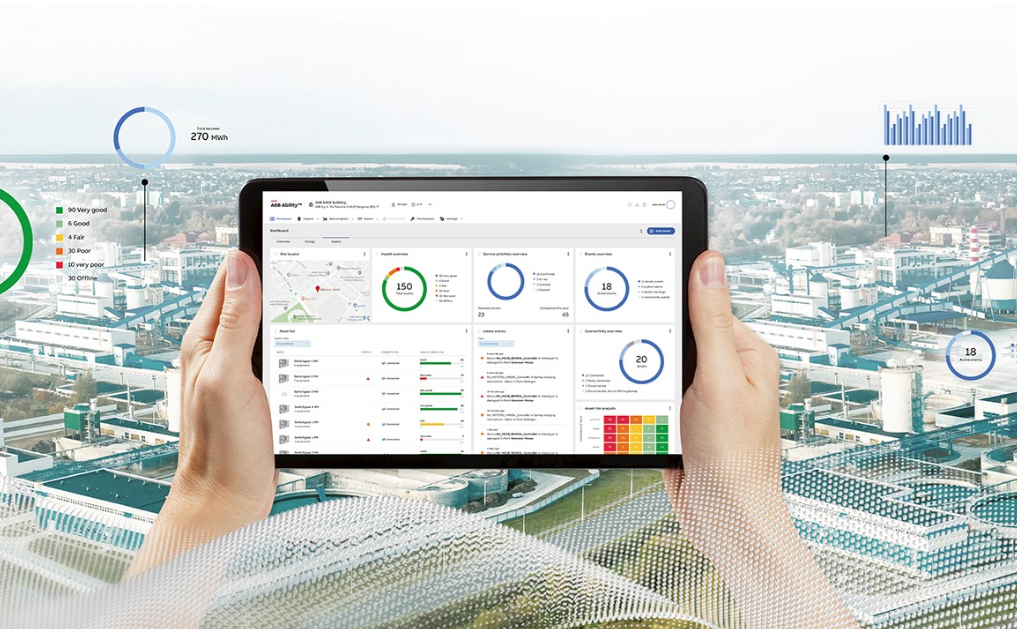

Smart Energy Management Systems coordinate generation, distribution, and consumption in real time, aligning with smart grid principles. Data-driven monitoring informs precise forecasting and automated optimization, reducing waste and enabling peak shaving through battery management. Integrated renewables and on-site storage enhance resilience, while real-time metrics support autonomous operation across distributed resources. The result is measurable ROI and strategic flexibility, but questions remain about deployment strategy, interoperability, and long-term maintenance that warrant careful consideration.
What Is Smart Energy Management, and Why It Matters
Smart energy management refers to systems and processes that monitor, optimize, and control energy generation, distribution, and consumption in real time.
The approach aligns operations with a smart grid framework, enabling precise energy forecasting, seamless storage integration, and adaptive demand response.
This strategic discipline reduces waste, enhances resilience, and empowers organizations to balance autonomy with interconnected flexibility and informed decision making.
See also: What Is a Digital Ledger in Blockchain?
Slashing Waste: How EMS Optimizes Consumption
EMS systems reduce energy waste by continuously measuring usage, identifying inefficiencies, and implementing automated optimizations. In this approach, data-led control aligns with smart grids and demand response, balancing supply and demand with minimal human intervention.
Battery optimization supports peak shaving, reducing utility costs and strain.
The result is transparent, scalable stewardship that empowers facilities to operate freely yet efficiently.
Resilience and Reliability Through Integrated Renewables and Storage
Integrated renewables and storage fortify resilience and reliability by decoupling critical energy availability from instantaneous grid conditions.
Metered performance metrics show reduced outage duration and faster restoration through on-site generation and storage.
Data-driven integration supports distributed generation and demand response, enhancing system flexibility.
Strategic deployment minimizes dependency on centralized plants while preserving grid stability, reliability, and user autonomy.
Real-World ROI: Savings, Sustainability, and Implementation Tips
Real-world ROI for energy management systems hinges on quantifiable savings, measurable sustainability gains, and clear implementation pathways. Data-driven analyses quantify energy reductions, maintenance decreases, and downtime limits, translating into payback timelines and asset value. ROI storytelling frames narratives for stakeholders, while policy implications shape incentives and compliance. Implementation tips emphasize phased pilots, cross-functional governance, and continuous performance benchmarking for durable results.
Frequently Asked Questions
How Secure Are Smart Energy Systems Against Cyber Threats?
The question assesses cyber resilience: smart energy systems show robust threat detection and layered defenses, but risk persists from supply chain, device heterogeneity, and human factors; continuous monitoring, regular audits, and adaptive security controls are essential.
Can EMS Integrate With Existing Legacy Equipment Easily?
Lighting sparks on the factory floor as EMS integration compatibility proves plausible; legacy retrofit is feasible, with careful asset mapping, cybersecurity resilience, data ownership clarity, payback timelines favorable, and on site support ensuring scalable, freedom-minded operation.
What Is the Typical Payback Period for EMS Upgrades?
The typical payback period for EMS upgrades ranges from 1 to 5 years, depending on scale and energy savings. Data-driven projections show substantial ROI, with annual energy savings accelerating cash flow and enabling strategic, freedom-focused operational improvements.
Do EMS Solutions Require On-Site IT Staff Support?
On-site roles for IT staffing exist but vary; roughly 60% of deployments show hybrid support. EMS solutions can operate with limited on-site staff, leveraging centralized monitoring, remote diagnostics, and vendor SLAs to maintain strategic autonomy and freedom.
How Do EMS Handle Data Privacy and Ownership Concerns?
Data ownership is defined by contracts and policy, while user consent governs data collection. The approach is data-driven and meticulous, emphasizing transparent governance, access controls, and audit trails to preserve sovereignty and strategic freedom for stakeholders.
Conclusion
Smart energy management systems (SEMS) unlock measurable value by harmonizing generation, storage, and consumption with real-time analytics and grid-ready protocols. A compelling statistic: facilities implementing SEMS report up to 20–30% reductions in energy waste and peak demand, translating to accelerated payback and lower operating costs. The data-driven approach enables precise forecasting, autonomous optimization, and resilient, renewables-first operation. With strategic integration and clear ROI, SEMS empower organizations to navigate volatility, sustain sustainability goals, and strengthen grid interoperability.


 By
By

 By
By